
Nara Park sits at the heart of one of Japan’s oldest capitals, and it packs an unusual amount into a single afternoon: a UNESCO World Heritage temple housing a 15-metre bronze Buddha, a shrine famous for thousands of stone and bronze lanterns, and over a thousand free-roaming deer that wander right up to visitors. Because Nara is compact and mostly walkable, it works well as a day trip from Osaka or Kyoto. This guide covers how to get there, what Todai-ji actually involves, how to behave around the deer, and how to fit the main sights into a single visit without rushing.
Getting to Nara Park
Nara Park is reachable by two different train companies, and which one is more convenient depends on where a visitor is starting from.
From Osaka
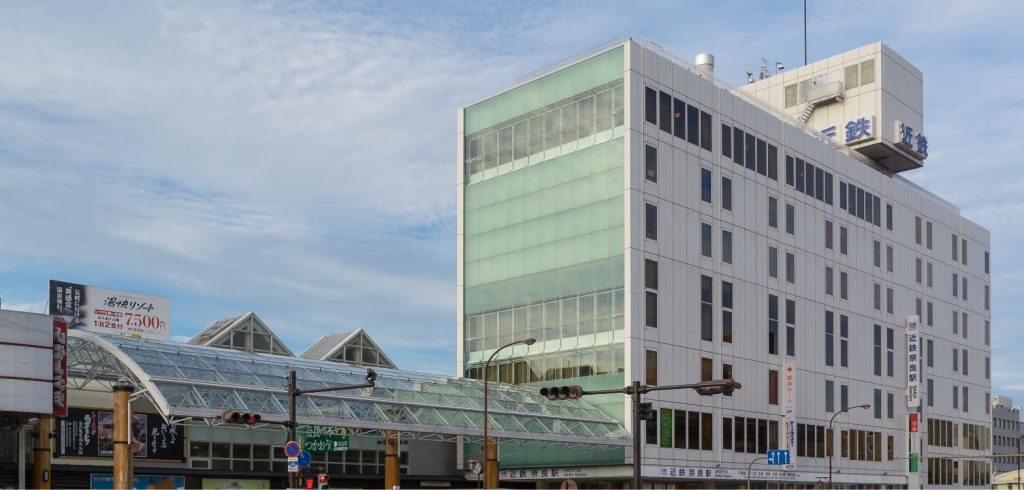
Kintetsu express trains run from Osaka’s Namba Station to Kintetsu-Nara Station in around 35 to 45 minutes. Kintetsu-Nara Station is the more convenient arrival point for Nara Park, since it sits only a few minutes’ walk from the park entrance. JR trains from Osaka Station also reach Nara, but JR Nara Station is a longer walk from the park and Todai-ji, so it suits visitors who are combining the trip with other JR-served destinations.
From Kyoto
Kintetsu also runs direct express trains between Kyoto Station and Kintetsu-Nara Station, taking roughly 45 minutes and avoiding any transfer. JR’s Nara Line connects Kyoto Station to JR Nara Station in a similar amount of time, but again leaves a longer walk to the park itself.
Nara Park and Its Free-Roaming Deer
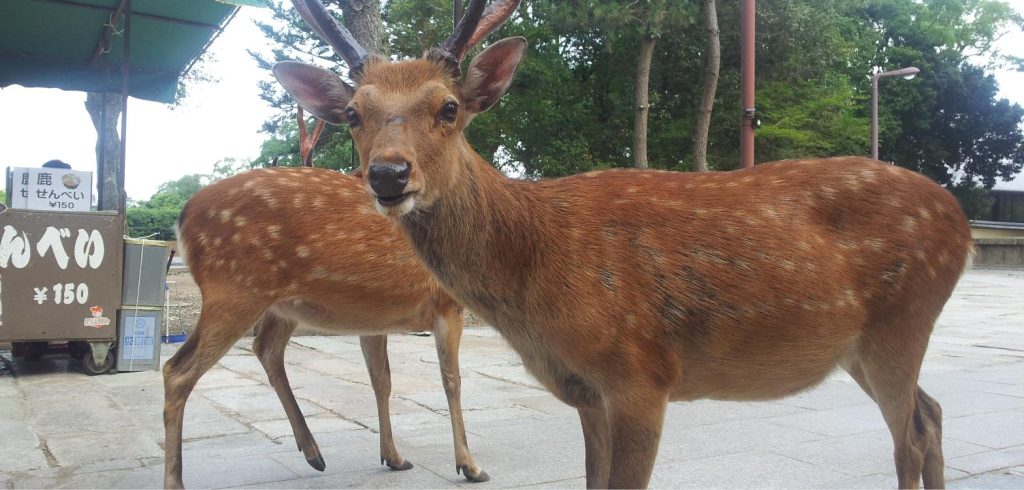
Nara Park is home to well over a thousand sika deer, which have lived alongside the city for centuries and are protected as natural monuments. Unlike deer in most parks, they are used to close contact with people and will approach visitors directly, particularly those holding food. They roam freely across the park, around Todai-ji’s approach, and along the paths to Kasuga Taisha, rather than being kept in any single enclosure.
Feeding the Deer Safely
Small stalls throughout the park sell shika senbei, plain rice crackers made specifically for feeding the deer, typically for around 150 to 200 yen a stack. Some deer have learned to bow their heads for a cracker, which is a genuine, if slightly exaggerated, learned behaviour rather than a trained show. It is worth holding the cracker away from pockets and bags once deer are nearby, since some will nudge, nip at clothing, or try to reach into an open bag if they sense food. Feeding is generally safe, but small children can find a cluster of hungry deer intimidating, and it is sensible to supervise closely or feed from a slight distance.
Todai-ji and the Great Buddha Hall
Todai-ji is one of Japan’s most significant Buddhist temples and a UNESCO World Heritage Site, founded in the 8th century as the head temple of the Kegon school. Its main hall, the Daibutsu-den or Great Buddha Hall, is among the largest wooden buildings in the world, despite being a reconstruction smaller than the original Nara-period structure.
Opening Hours and Admission
According to Todai-ji’s official visitor information, the Daibutsu-den is open from 7:30am to 5:30pm from April to October, and from 8am to 5pm from November to March. Admission for the Daibutsu-den is 800 yen for adults, with reduced rates for children. Hours can shift slightly around special events, so checking the temple’s official site before visiting is worthwhile if arriving close to opening or closing time.
Inside the Daibutsu-den
The hall’s main feature is the Daibutsu, a seated bronze Buddha statue standing around 15 metres tall, flanked by two large guardian statues. A wooden pillar near the statue has a hole cut through its base said to be the same size as one of the Daibutsu’s nostrils; successfully passing through it is a popular, if slightly undignified, activity for visitors and is particularly aimed at children. The hall can get crowded around midday during peak travel seasons such as spring and autumn, so visiting soon after opening tends to be noticeably calmer.
Kasuga Taisha and the Stone Lantern Paths
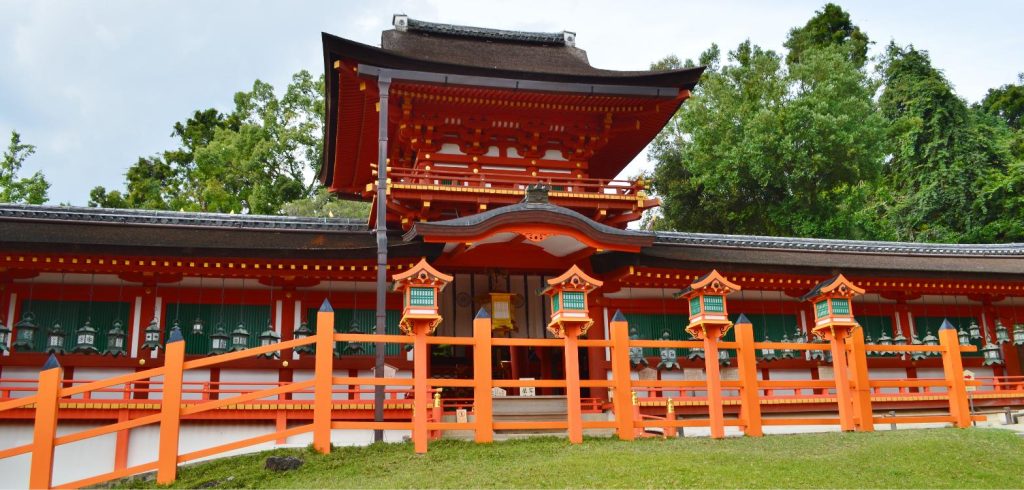
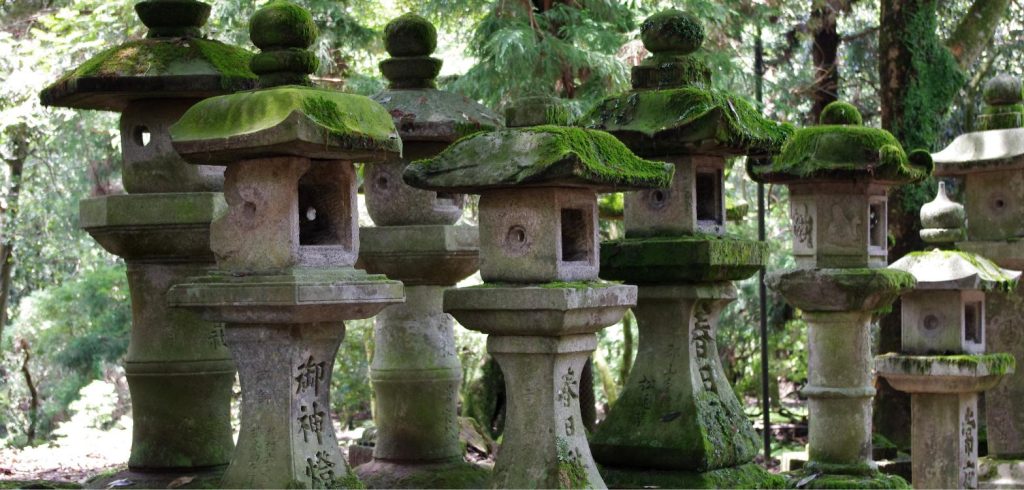
A walk east from Todai-ji through the forested part of Nara Park leads to Kasuga Taisha, a Shinto shrine founded in the 8th century and famous for the roughly 3,000 stone and bronze lanterns donated by worshippers over the centuries. Many of the stone lanterns lining the approach paths are now covered in moss, giving the walk a noticeably different atmosphere from the open lawns around Todai-ji. Twice a year, during the Setsubun and Obon lantern festivals, all of the lanterns are lit simultaneously, though most visitors will see them unlit during a regular daytime visit. The shrine’s inner sanctuary, distinguished by its vivid vermilion-lacquered halls, has a separate admission fee, while the outer grounds and lantern-lined paths are free to walk through.
Other Sights Worth Combining
Kofuku-ji, a five-storied pagoda and temple complex, sits close to Kintetsu-Nara Station and works well as a first stop straight off the train. The Nara National Museum, a short walk from Todai-ji, holds a significant collection of Buddhist art and is worth considering for visitors with a particular interest in the period. Naramachi, the former merchant district south of the park, offers a quieter contrast of traditional wooden townhouses, small cafes and craft shops for visitors who want a break from temple-hopping.
Practical Tips
Best Time to Visit
Early morning, shortly after Todai-ji opens, is consistently the quietest period, with both the temple and the deer noticeably calmer before tour groups arrive. Autumn brings colourful foliage across the park, while spring draws crowds for cherry blossoms around Yoshikien Garden and the park’s edges; both seasons are beautiful but busier than midsummer or winter.
How Much Time to Allow
A visit covering Todai-ji, the deer park and Kasuga Taisha comfortably fits into three to four hours, including walking time between sights. Adding Kofuku-ji, the Nara National Museum or Naramachi extends a visit to a full day, which is realistic for anyone treating Nara as a standalone day trip rather than a quick stop.
Common Mistakes
A frequent mistake is arriving via JR Nara Station without realising it adds a longer walk to the park compared to Kintetsu-Nara Station. Another is carrying food or snacks visibly in hand near the deer, since they cannot tell the difference between a shika senbei and a visitor’s own lunch, and may approach persistently until the food is out of sight. Visitors sometimes also underestimate how large the park is, treating it as a quick photo stop rather than allowing enough time to walk between Todai-ji and Kasuga Taisha comfortably.
Advice for Different Visitors
Families travelling with young children should factor in that the deer can be overwhelming in groups, so approaching feeding gradually and staying close by is worthwhile. Visitors with mobility considerations will find the paths around Todai-ji mostly flat and paved, though the walk to Kasuga Taisha includes some uneven, forested sections. Solo travellers on a tight schedule can realistically see Todai-ji and the deer park in under two hours if skipping Kasuga Taisha, making Nara workable even as a half-day addition to a Kyoto or Osaka itinerary. Those with a deeper interest in Buddhist history should budget extra time for the Nara National Museum alongside Todai-ji.
Frequently Asked Questions
Is Nara Park free to enter?
Yes, Nara Park itself is free and open at all times. Admission fees apply separately to specific sights within it, such as the Daibutsu-den at Todai-ji and the inner sanctuary of Kasuga Taisha.
Are the deer in Nara Park dangerous?
They are generally safe but are wild animals, not pets. Some can nip, headbutt or push when they expect food, particularly during autumn mating season, so it is best to feed calmly, avoid teasing them with crackers, and supervise children closely.
How do I get from Kintetsu-Nara Station to Todai-ji?
It is a walk of around 20 minutes through Nara Park, passing Kofuku-ji and the deer meadows on the way. Most visitors treat the walk itself as part of the sightseeing rather than a simple transfer.
Can Nara be visited as a day trip from Osaka or Kyoto?
Yes, Nara is a common day trip from both cities thanks to direct Kintetsu express services, with total travel time of well under an hour each way from either Namba or Kyoto Station.
What should I wear or bring to Nara Park?
Comfortable walking shoes are worth prioritising given the distances between sights, and a small amount of cash is useful for shika senbei and shrine or temple admission fees, some of which do not accept cards.
Is Todai-ji busy all year round?
It draws consistent visitor numbers year-round, but is noticeably busier during spring cherry blossom season, autumn foliage season, and Japanese holiday periods such as Golden Week. Early mornings remain the most reliable way to avoid the largest crowds regardless of season.
Nara rewards a slower pace than the usual checklist approach to sightseeing. Between the deer wandering freely across the park, the scale of the Daibutsu inside Todai-ji, and the quiet, moss-covered lantern paths leading to Kasuga Taisha, it is a destination that holds up well as either a relaxed half-day trip or the centrepiece of a full day out from Osaka or Kyoto. For more ways to structure a longer Kansai itinerary, see our guide to getting around the region by train.