
Kansai trains connect five major destinations packed into a small area, making it possible to see Osaka, Kyoto, Kobe and Nara without ever needing a car. For first-time visitors, though, the sheer number of railway companies, ticket types and IC cards can feel confusing before the trip even starts. This guide breaks down how the Kansai rail system actually works, when a rail pass is worth buying, and how to get between the main cities without wasting time at ticket machines.
Kansai’s Rail Network at a Glance
Unlike Tokyo, where a single operator dominates, Kansai’s trains are split between JR-West and several private railways, each running their own lines, fares and IC card systems that only partially overlap. JR-West operates the main line between Osaka, Kyoto and Kobe (the JR Kyoto Line and JR Kobe Line, both part of the wider Tokaido-Sanyo corridor) as well as the Osaka Loop Line and the Yamatoji Line to Nara. Private operators fill in the gaps: Hankyu and Hanshin connect Osaka to Kyoto and Kobe on parallel routes, Kintetsu runs from Osaka and Kyoto to Nara and onward to Ise, and Keihan links Osaka to Kyoto via Uji and the eastern side of the city. Osaka itself is also served by its own subway system, Osaka Metro, which is separate from JR and the private lines.
None of this needs to be memorised before arrival. In practice, a route-finding app such as Google Maps or Navitime will show the fastest connection, which line to use and the exact fare. The background knowledge below simply helps in understanding why the same journey sometimes has two or three different route options at different prices.
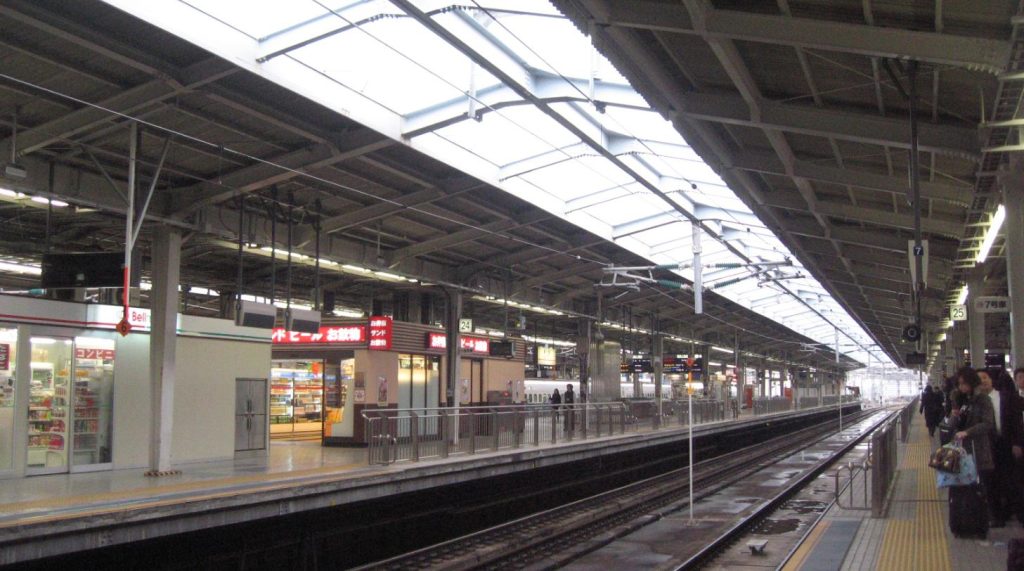
ICOCA and Other IC Cards
The simplest way to pay for day-to-day travel in Kansai is a rechargeable IC card. JR-West’s version is called ICOCA, and it can be bought and topped up at ticket machines in JR, Osaka Metro, Hankyu, Hanshin, Kintetsu and Keihan stations. Once loaded, it works as tap-in, tap-out payment on almost every train, subway and bus in the region, and increasingly at convenience stores and vending machines as well. JR-West has at times limited sales of physical ICOCA cards due to a chip shortage, so it is worth checking current availability before relying on being able to buy one on arrival; a mobile ICOCA set up through a compatible phone wallet is a reliable alternative.
Other regional IC cards such as Suica or Pasmo, issued in the Tokyo area, work exactly the same way in Kansai thanks to a nationwide mutual-use agreement, so visitors arriving via Tokyo do not need a second card. For short trips, single paper tickets bought from station machines are also fine, but an IC card removes the need to work out exact fares in advance, which is one less thing to think about when moving quickly between cities.
Getting from Kansai Airport to the City
Kansai International Airport (KIX) sits on an artificial island in Osaka Bay, connected to the mainland by a single rail and road bridge, so almost every visitor arrives through one of two train services.
JR Haruka Limited Express
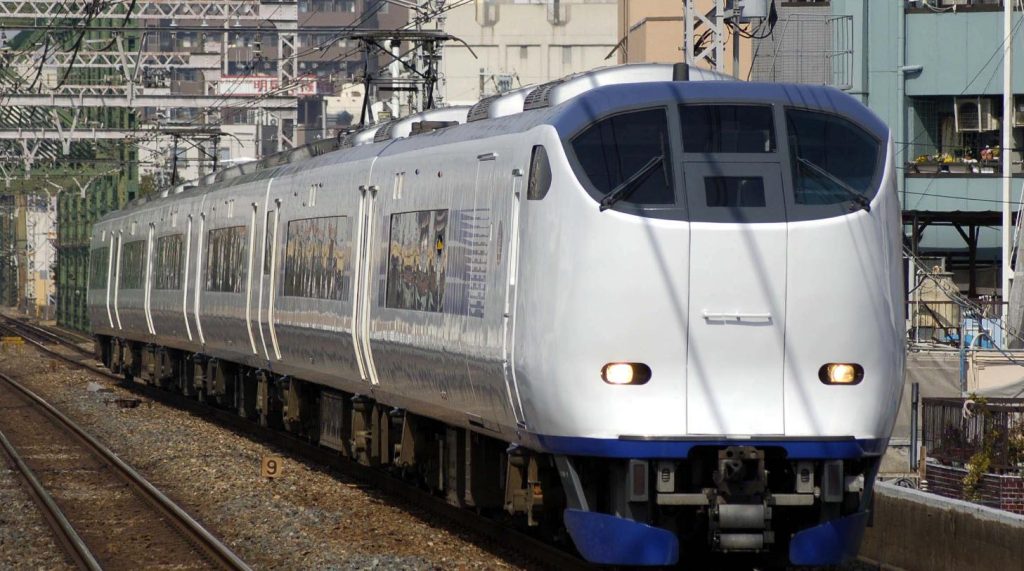
The Haruka is a reserved-seat limited express run by JR-West that connects the airport directly to Osaka’s Tennoji and Shin-Osaka stations, and continues on to Kyoto Station. It is the fastest way to reach Kyoto from the airport without changing trains, and is covered by the JR-WEST Kansai Area Pass described below, as well as by a separate ICOCA & Haruka discount ticket sold specifically for airport travellers.
Nankai Airport Express and Rapi:t
Nankai Railway runs from the airport into Namba, in the heart of southern Osaka, using either the regular Airport Express or the distinctive silver Rapi:t limited express. For visitors staying in Namba or Dotonbori, this is usually the more direct option, avoiding a transfer through Osaka’s northern stations.
The JR-WEST Kansai Area Pass
For visitors planning to move between several Kansai cities in a short period, the JR-WEST Kansai Area Pass is usually the best value option. It is a consecutive-day pass covering unlimited rides on JR-West’s non-reserved local, rapid and limited express trains within the Kansai area, including the Haruka airport train, and reaches as far as Osaka, Kyoto, Kobe, Nara, Himeji, Wakayama and Otsu.
What It Covers
The pass covers JR lines only, so it does not include Osaka Metro, Hankyu, Hanshin, Kintetsu or Keihan services. This matters when planning a day out in Namba or Gion, since some of the most convenient routes into those neighbourhoods are run by private railways rather than JR. It is best suited to itineraries built around JR stations, such as Kyoto Station, Shin-Osaka, Osaka Station and Sannomiya in Kobe.
Prices and Where to Buy
According to JR-West’s official pricing, adult passes cost 2,800 yen for one day, 4,800 yen for two days, 5,800 yen for three days and 7,000 yen for four days, with child passes priced at roughly half those amounts. Passes can be purchased online in advance or directly at ticket counters and machines inside major JR stations in the Kansai area, including at Kansai Airport itself. Because the pass only pays off with enough travel, it is worth roughly totalling planned train fares before buying one; a single day spent mostly walking around one neighbourhood may not justify the cost.
Private Railways: Hankyu, Hanshin, Kintetsu and Keihan
The private railways are often overlooked by first-time visitors focused on JR, but they are frequently faster or cheaper for specific routes. Hankyu’s Kyoto Line runs between Osaka’s Umeda and Kyoto’s Kawaramachi, with a stop convenient for the Arashiyama area, while Hanshin connects Osaka’s Umeda directly to Sannomiya in central Kobe. Kintetsu is the main route to Nara from both Osaka’s Namba and Kyoto Station, with express trains reaching Nara in well under an hour. Keihan runs along the eastern side of Kyoto, useful for reaching Fushimi Inari, Gion and the area around Lake Biwa in Shiga. Each of these companies also sells its own regional day passes, which can be worth considering for itineraries focused on one line rather than the whole region.
Getting Between Osaka, Kyoto, Kobe and Nara
Osaka to Kyoto
The JR Special Rapid service between Osaka Station and Kyoto Station takes around 30 minutes, with Hankyu and Keihan offering slightly slower but often cheaper alternatives that arrive closer to central areas like Kawaramachi or Gion. For travellers with a JR-WEST Kansai Area Pass, the JR route is the obvious choice.
Osaka to Kobe
JR, Hankyu and Hanshin all run trains between Osaka and Sannomiya, Kobe’s main station, with journey times of roughly 20 to 30 minutes depending on the service. Hanshin’s line tends to be the cheapest, while JR is usually the fastest for those already holding a rail pass.
Osaka to Nara
Kintetsu’s express trains from Namba to Kintetsu-Nara Station take around 35 to 45 minutes and arrive close to Nara Park, making them more convenient than the JR alternative for most visitors, since the JR Nara Station is a longer walk from the park and Todai-ji.
Subways and City Buses
Within Osaka, Osaka Metro’s Midosuji Line is the backbone of the system, running north to south through Umeda, Shinsaibashi and Namba. Kyoto’s subway network is smaller, with two lines that cover the north-south and east-west axes of the city, though many of Kyoto’s most visited sites, including much of Gion
and Arashiyama, are better reached by bus or private rail than by subway. Kyoto’s city buses are extensive but can be slow in peak season traffic, so building in extra time around midday is sensible. Kobe and Nara are compact enough that a mix of short train hops and walking usually covers most sightseeing without needing local buses at all.
Common Mistakes First-Time Visitors Make
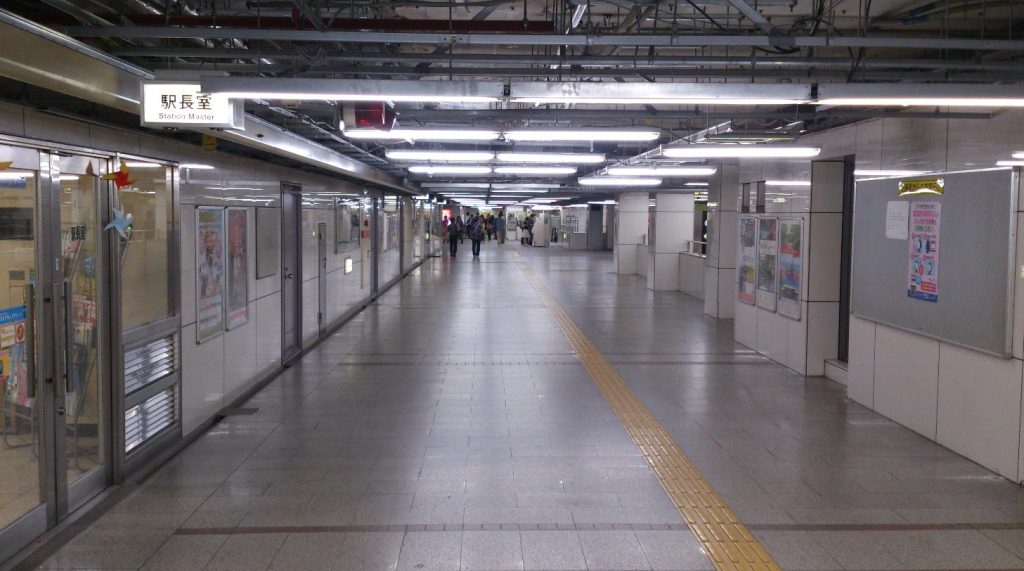
A frequent mistake is buying a rail pass without checking whether it actually covers the planned routes; the JR-WEST Kansai Area Pass, for instance, will not help much on a day built around Namba, Gion or Kintetsu-Nara. Another is underestimating transfer times at large stations like Osaka or Kyoto, where changing between JR and a private line can involve a genuine walk through ticket gates rather than a quick platform change. Visitors also sometimes assume every train is a local service, when limited express trains on lines like Kintetsu or Nankai require a separate reserved-seat surcharge on top of the base fare. Finally, relying only on paper tickets rather than an IC card tends to slow down every single journey, since fares must be calculated and paid at the machine each time.
Advice for Different Types of Travellers
Travellers based in one city for most of the trip, such as staying in central Kyoto and taking one or two day trips, are often better off with an IC card and occasional single tickets rather than a multi-day pass. Those planning to cover Osaka, Kyoto, Kobe and Nara within a short, intensive trip will usually get clear value from the JR-WEST Kansai Area Pass, provided their sightseeing lines up with JR stations. Families travelling with luggage should factor in that not every station has step-free access between platforms, so checking accessibility in advance for stations near a hotel is worthwhile. Solo travellers moving quickly between neighbourhoods at night will find the last-train times, generally between around 11:30pm and 12:30am on most lines, worth checking before heading out for the evening.
Frequently Asked Questions
Is the JR-WEST Kansai Area Pass worth it for a short trip?
It depends on the route. If a trip includes the Haruka airport train plus several JR journeys between Osaka, Kyoto, Kobe and Nara, a one or two-day pass often pays for itself. For itineraries centred on private-rail neighbourhoods like Namba or Gion, an IC card may work out cheaper.
Can I use ICOCA on buses as well as trains?
Yes, ICOCA and other nationwide IC cards are accepted on most city buses in Kansai as well as on trains and subways, with fares deducted automatically when tapping on and off.
Do I need to reserve seats on the Haruka or Rapi:t?
Both services have reserved and non-reserved cars. Reserving a seat is recommended during busy periods and when travelling with luggage, and is included automatically when the fare is paid through certain passes and combination tickets.
Which is faster from Kansai Airport to Kyoto, Haruka or another route?
The Haruka limited express is generally the fastest direct option from the airport to Kyoto Station, since it avoids the extra transfer required by other combinations of train and subway.
Is it easy to travel around Kansai without speaking Japanese?
Station signage, ticket machines and announcements in major Kansai stations are generally available in English, and route-finding apps handle most of the planning, so travelling without Japanese is manageable for most visitors.
What time do trains stop running at night?
Most lines run their last trains between around 11:30pm and 12:30am, though exact times vary by line and station, so it is worth checking the specific last departure when planning a late evening out.
Kansai’s rail network looks complicated on paper, but in practice it comes down to a short list of decisions: whether a rail pass covers your planned routes, which IC card to load up, and which of the two airport trains matches where you are staying. Once those choices are made, moving between Osaka’s neon streets, Kyoto’s temples, Kobe’s waterfront and Nara’s park is simply a matter of tapping in and finding a seat. For area-specific detail, see our guides to Osaka’s nightlife districts and other Kansai destinations to help plan which stops are worth building a full day around.